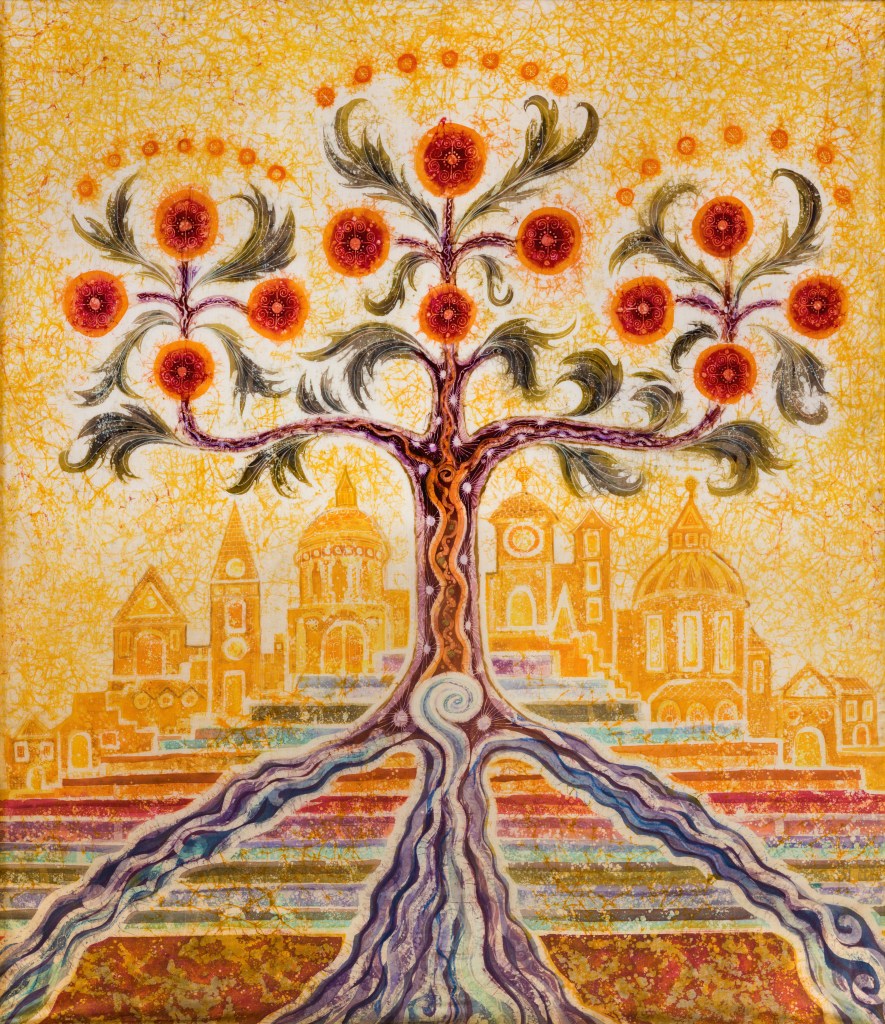
The Revelation of John. How many Christians are frightened of studying it? Controversial interpretations and the manipulation of numbers and symbols have discouraged too many from studying, or even reading, this book. Gruesome beasts and a lake of fire, a slain lamb with seven eyes – who wouldn’t be intimidated? Like any other book of the Bible, though, it is a gift from God and, like all gifts from the Lord, it is good. The book of Revelation is a letter to believers and as such it is full of joyful encouragement and lavish promises. Moreover, in it we do not merely read about the glorious kingdom God has prepared for his children. Through John’s fantastical descriptions, we see it.
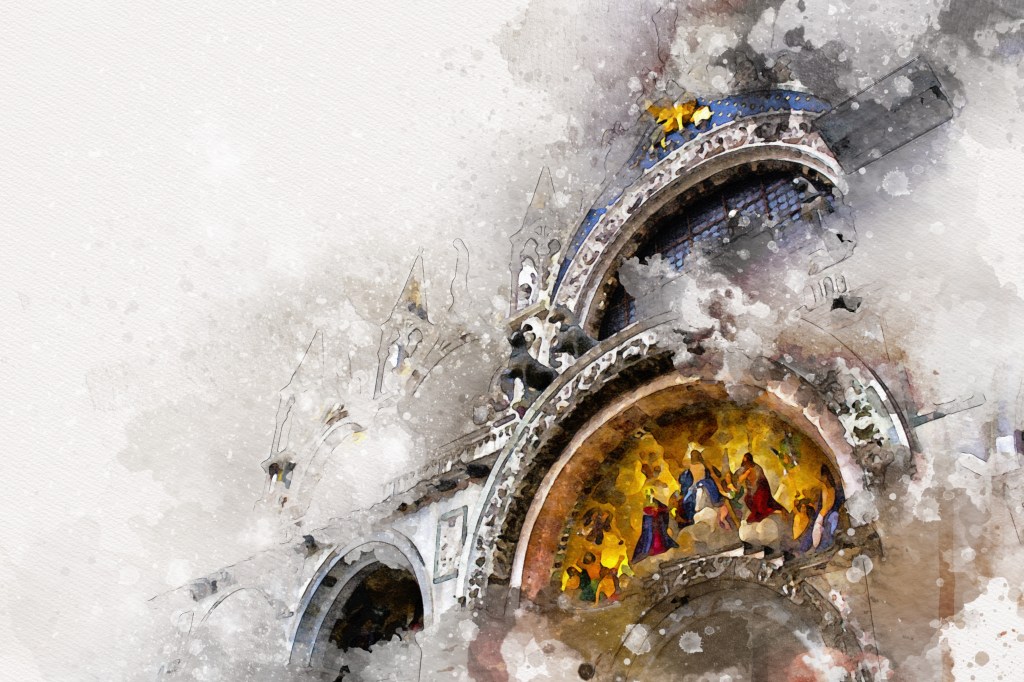
I once heard a teacher say that the foundations of New Jerusalem’s walls are encrusted with precious stones and its streets paved with gold to demonstrate how the costly things of earth are now fit only to be trodden underfoot. I was stunned then, and I still disagree with her. John is being presented with the most staggering visions it is possible to see: the new and better Eden, the radiance of redeemed humanity, and the blazing light of our God and his Christ.

John, being human and writing to other humans, must have desperately searched his vocabulary for ordinary words that could convey extraordinary perfection. He chose, as we can see in the text, to name precious jewels, incredibly expensive glass, and the very metal that gilded so much of God’s earthly tabernacle. Surely the thought of common building materials never entered his mind. All one must do is look at the precise extravagance with which God laid out the pattern for Israel’s tabernacle. Only the precious, the costly, and the beautiful were fitting for his sanctuary. How much more the city of his Bride?

Once we become more comfortable with the symbolism and vivid imagery of the Bible’s closing book, we can see its exuberant encouragement to believers, particularly persecuted believers. This theme crescendos throughout the book to its glorious climax in chapters 21 and 22. Here, we read the stirring promise of an end to all pain and suffering, personally wiped away for each of us by God’s own finger. Here, we see our promised future – a unified, pure, and glorious Church – cleansed so thoroughly that the holiness of the Father himself will dwell among us. Here, we are promised that which God did not grant even to Moses: to gaze at the Father’s radiant face and live.
In describing the meticulous measuring of New Jerusalem, John assures us that we are protected, and that the Lord is aware of every inch of care his Church needs. John describes marvelous walls with twelve opulently decorated foundations, telling us that our holy city is immovable and secure, that no evil will ever threaten it. One promise, though, stands out to me. It is not the spring of the water of life or even the light of the lamp of the Lamb. In chapter 21, verse 7, God declares from his throne, “The one who overcomes will inherit these things, and I will be his God….”
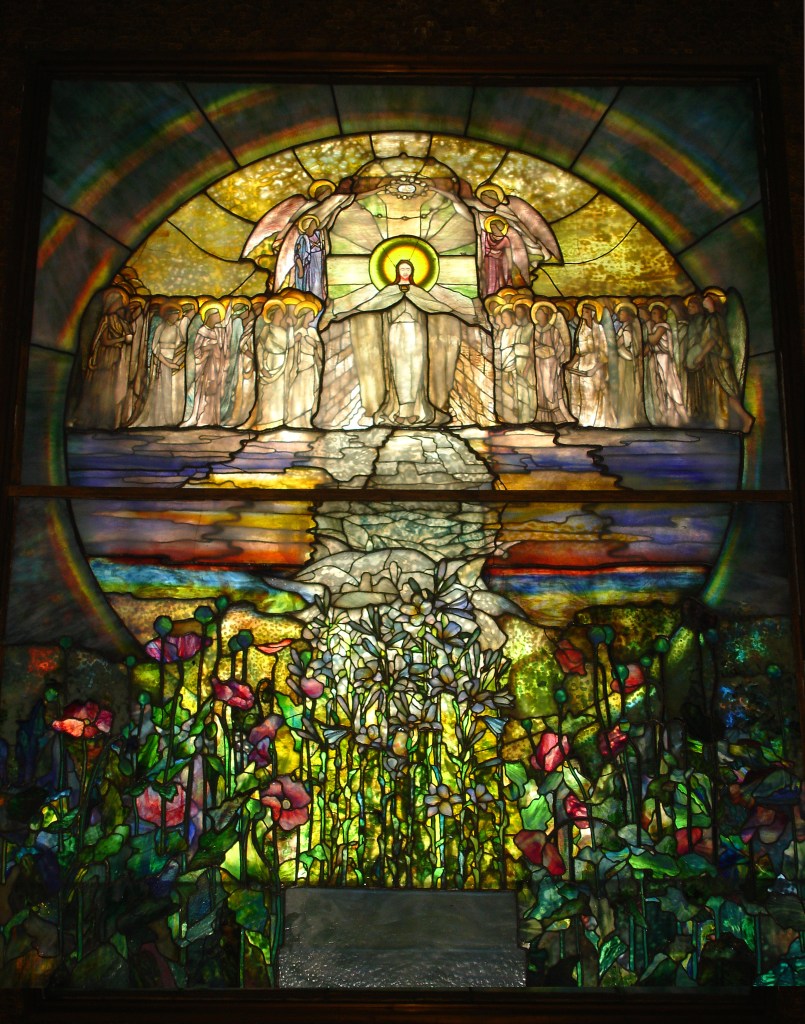
The word “inherit” quickly recalls God’s first chosen people, the Jews. The first five books of the Bible alone contain 77 occurrences of the word “inheritance” (ESV). From Abraham to Jacob to King David, God promised his people an inheritance of land, countless descendants, and his own presence dwelling among them. I do not think it is a coincidence that “inherit” is used in Revelation 21. God, through John’s letter, is telling his Church that we are his chosen people, we are the children of Abraham, we are the new Jerusalem. As the bride of Christ, we fulfill Zechariah 2:11: “Many nations shall join themselves to the Lord in that day, and shall be my people.” Furthermore, Ezekiel 37:27 contains nearly the exact words of Revelation 21:3: “My dwelling place shall be with them, and I will be their God, and they shall be my people.” But I left out the second half of Revelation 21:7 above, because there the pattern breaks to reveal the most valuable promise of all: “… and I will be his God and he will be my son.” (emphasis mine)
The faithful followers of Christ are now joined to chosen Israel, but God’s promise to us – his new covenant – is not merely that we be his nation or his Church. The change from “they will be my people” to “he will be my son” reminds us that we have been individually adopted as God’s precious children. What more could anyone possibly want? What trinkets or fleeting experiences of the world could compare to God’s proposal here?

Here, unlike in much of Revelation, God does not use symbols, numbers, or bizarre imagery to reassure us of his faithfulness. He wants us to know, here and now, while we suffer and stray, that we have a family. We have a Father who will never stumble, mistreat us, or leave us on this earth alone. And we have a home – beautiful, costly, perfectly apportioned – filled with brothers and sisters worshiping and working together in endless light. When you feel like you don’t belong, like life on earth is just too hard, please look to our Father’s promises in Revelation 21. We don’t belong, but our retirement home, our place of rest and unbroken joy, is already built, glittering walls and all. Take heart, brothers and sisters, for Jesus has promised, “Behold, I am coming soon.”

 Before the Fire