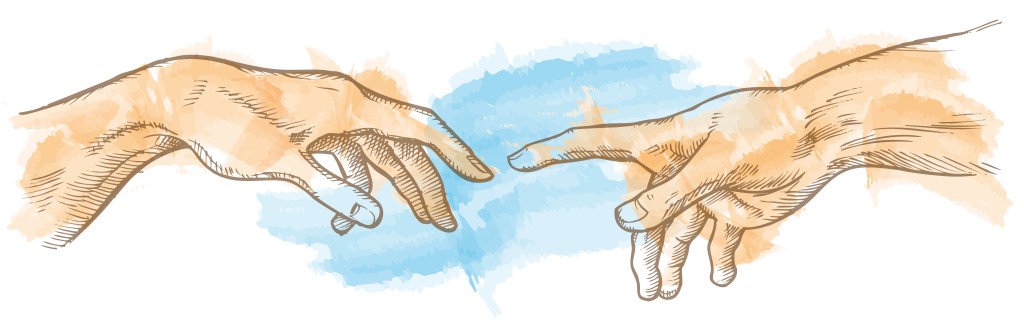
I say “holy crap” far too often. I suppose there are worse things to say, but the casual and even crude ways we use the word “holy” these days has contributed to a corrosion of the meaning of the word. As I study the book of Exodus, having recently walked through Hebrews, the import and mystery of holiness has grown broader and deeper than I could have imagined. It has taken quite some time to even decide whether to tackle such a weighty subject. I claim no special learning besides a love and dedication to intense inductive study of the Bible, and I am well aware that Holiness as a subject extends far past my reach. Regardless, my growing understanding of God’s love for the world and his intentions for our holiness are too much to hold in. And so, I dive, not into scholars’ thick commentaries, but into the Holy Word itself.
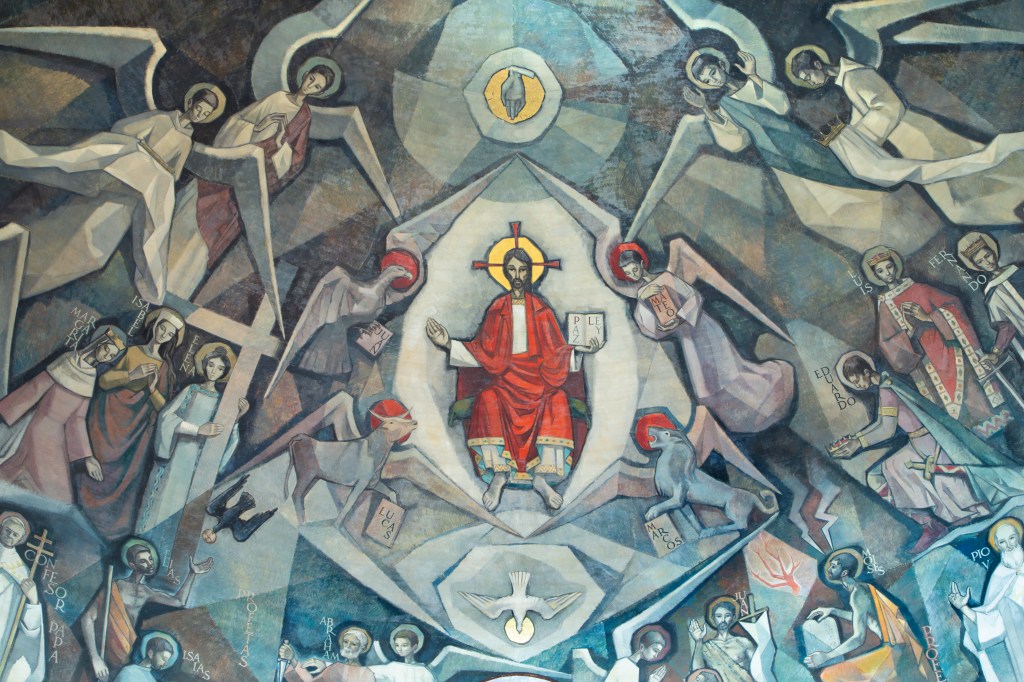
“Who will not fear, O Lord, and glorify your name? For you alone are holy.”
Thus the choir of the saints sings before God’s throne in Revelation 15. God alone is holy, but he is also the source of holiness for those in heaven and on earth. God’s blessing in Genesis 2:3 made the seventh day holy; the next use of the word “holy” doesn’t occur until Moses describes God’s warning from the burning bush: “Do not come near; take your sandals off your feet, for the place on which you are standing is holy ground.” God’s presence in the flame made the surrounding earth impassable to Moses due to its holiness.

When the Lord brought Israel out of slavery to Egypt, he, in his great mercy and love, created a way to dwell in their midst, despite the lethality of his holiness to all who walk in sin. The elaborate and detailed instructions God gave to Moses regarding the construction of the tabernacle and priestly robes can be a little mind-numbing to us as modern, Western thinkers. Close study, accompanied by the help of the prophets, the author of Hebrews, as well as Jesus himself, reveals the shimmering, golden thread that runs from Genesis through Revelation: God’s holiness, revealed to man. From Eden to Calvary, God has been continuously at work to draw an unclean people into the rest and refreshment that his holy presence brings.

Light and dark cannot coexist, as 1 John tells us, and so the holiness of God cannot abide the sin of man. A chasm opened between heaven and earth when the Lord placed cherubim with flaming swords before the gates of Eden. As Hebrews 9:8 says, the way into the holy places was no longer open. When God graced the newly freed Israelites by making his dwelling place among them, he replaced the cherubim with a veil. Still, violating any of God’s (detailed) instructions regarding the operation of the tabernacle was deadly. Men needed the protection of a barrier, cleansing rituals, and blood sacrifices in order to encounter the Lord’s holiness and live. Unbeknownst to Israel, though, this was only one step in the plan. God loved his people – all people – far too much to be satisfied with us remaining on the wrong side of the veil.
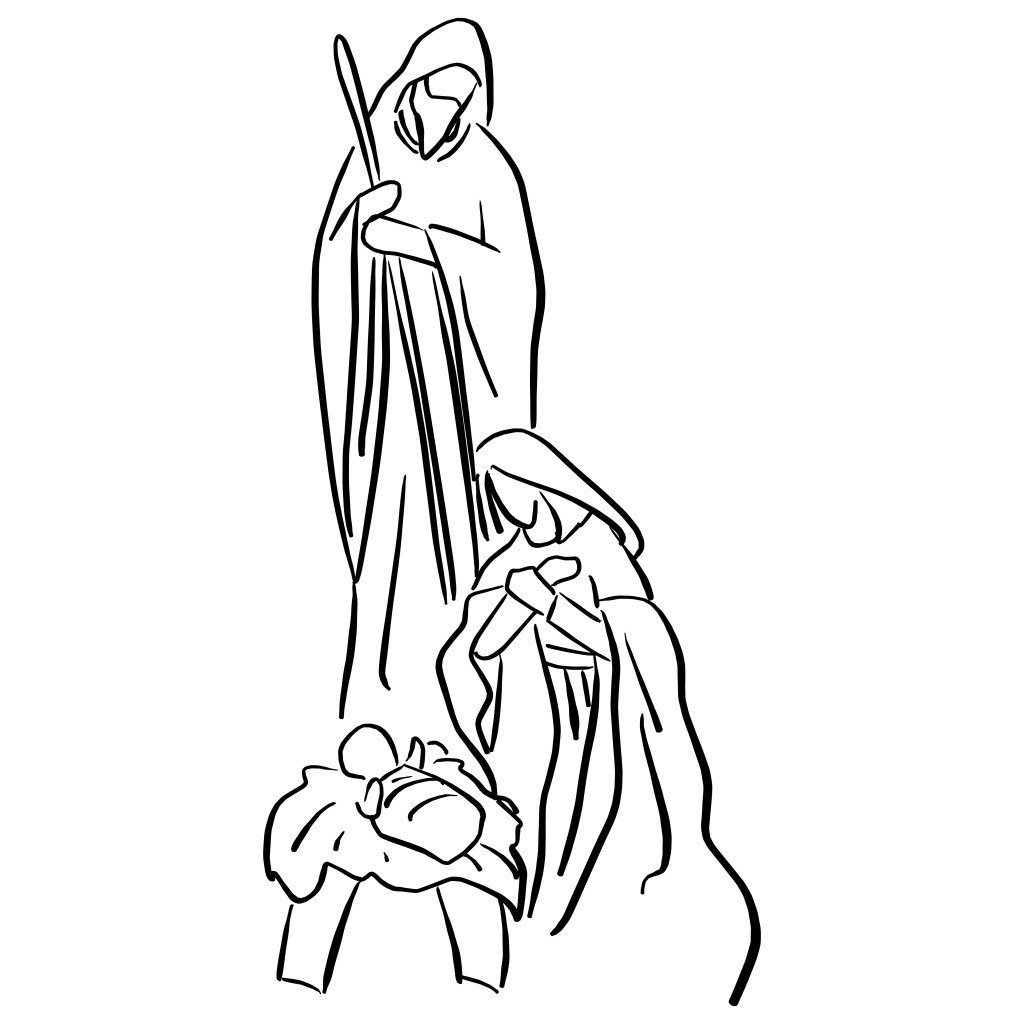
And so, in Bethlehem long ago, “the true light, which gives light to everyone” came into the world. And the holiness of that light, held within a mortal body, came not to destroy, “but to all who did receive him, who believed in his name, he gave the right to become children of God, who were born, not of blood nor of the will of the flesh nor of the will of man, but of God.” The Anointed One, the only truly spotless Lamb, came to fulfill and replace the priesthood of Aaron.


Aaron bore a golden crown when he entered the Holy of Holies, engraved with the words, “Holy to the Lord.” It enabled him to bear the guilt of his people, whose names were engraved on his garments, before the Lord and live. Jesus also wore a crown when he bore the world’s guilt before his Father. The words on Aaron’s crown temporarily protected his people, as well as himself, from the judgment justice demanded. The thorns on Jesus’ crown bore instead a wrathful judgment he did not incur. But light and dark cannot coexist. The light of Aaron’s shiny crown did not protect him from eventual death, and Israel’s priesthood had to anoint mortal man after mortal man. Jesus’ light, though, was not a mere reflection of holiness, but the source of holiness itself. The dark could not abide such light and so Jesus rose.

The torn veil shows only part of Jesus’ victory, because his sacrifice did not only draw us into the Holiest Place. We are not only able to stand before our Holy God. When Jesus rose bearing our names, the names of those redeemed from slavery, he sanctified us as well – all of us. God’s Holy Spirit now resides in each of those who believe in Jesus’ name, anointing us as “a chosen race, a royal priesthood, a holy nation, a people for his own possession.” We do not just stand before God, rather we carry his holy presence to a world desperately in need of light. Though our spirits rest secure in the Lord, we still have work to do. Take heart, because our task will end soon, and all that is not holy and clean will fade away. As believers in Christ, we are purified by the Holy Spirit of God and one day, we will cross the final barrier between holy and common. We will enter the holiest heaven and we will rest.

In the beginning, God blessed the seventh day and made it holy, resting after the work of Creation was done. In the Sinai wilderness, he made the seventh day “a holy Sabbath,” a day of physical rest for his people after the brutalities of slavery. Then, on a solemn Sabbath 2000 years ago, the Lord rested again – not because Creation was complete, but because its salvation was finally realized. Jesus Christ’s cry from the cross of “It is finished” opened the way not just to a day of rest, but to a place of rest, where work no longer means toil, and the holy face of the Lord Almighty means not death, but everlasting life.
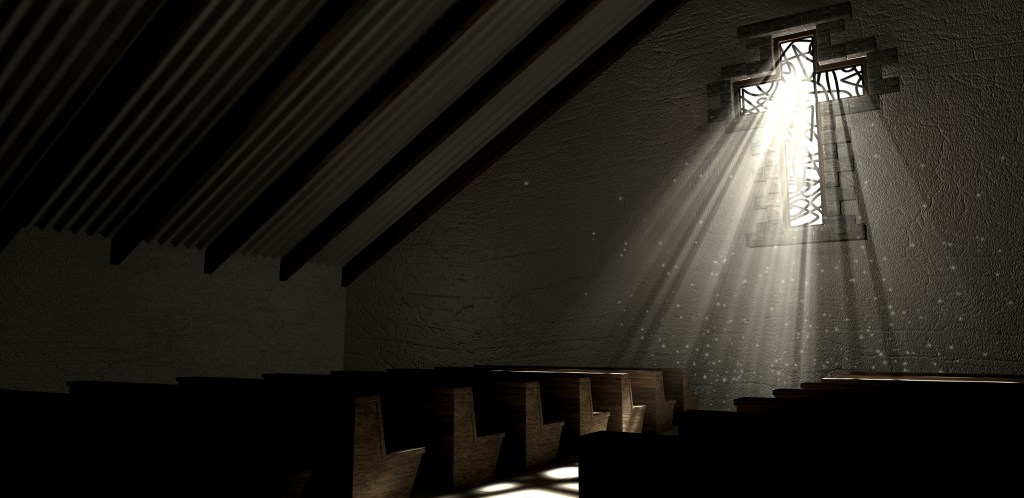
“I am coming soon. Hold fast what you have, so that no one may seize your crown. The one who conquers, I will make him a pillar in the temple of my God. Never shall he go out of it, and I will write on him the name of my God, and the name of the city of my God, the new Jerusalem, which comes down from my God out of heaven, and my own new name. He who has an ear, let him hear what the Spirit says to the churches.”
-Revelation 3:11-13
 Before the Fire
The beauty of HIS HOLINESS is on display in your words exalting HIM. Thank you for the investment you have made in study and delight and in sharing. I continue to be speechless that HE became the ONLY way for these miracles to be REALITY by tabernacling in the dust of me. He is WORTHY!
LikeLiked by 1 person
I’m right there with you!
LikeLike
Thank you. Puts my mind in the right place amid all the upheaval in my life.
LikeLike