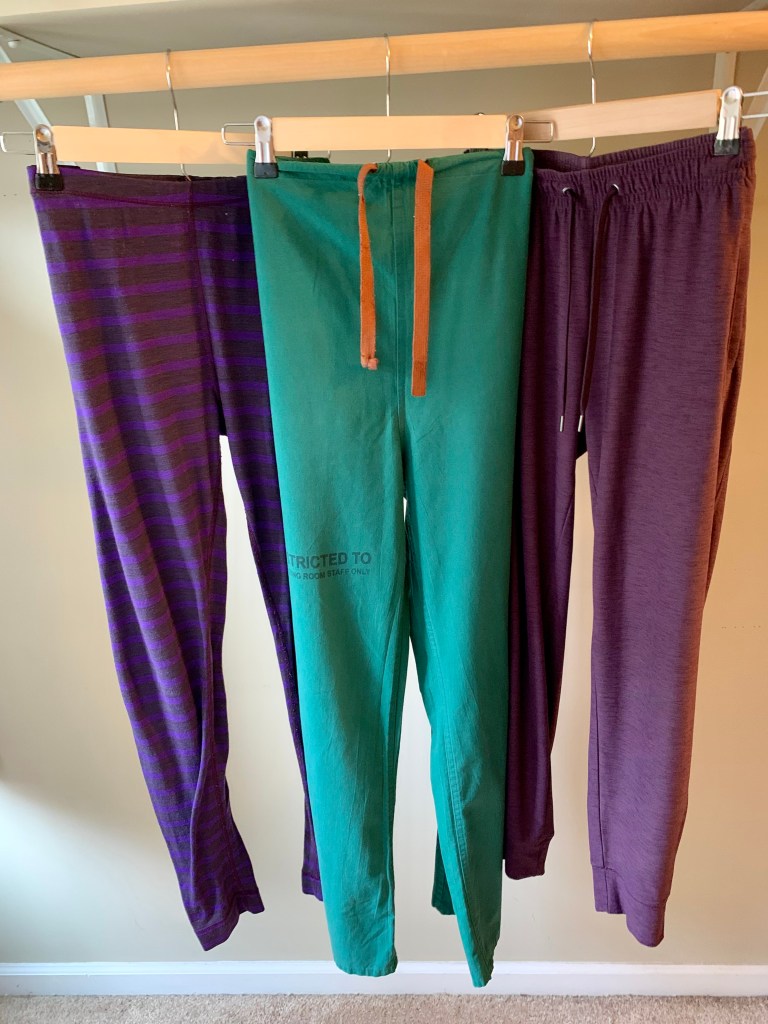
For much of the decade leading up to 2020, my daily uniform involved some combination of sweats and pajamas. In the last year, though, sheltering in place transformed this from something to conceal into endless memes and jokes. Let me back up. In October 2009, I left a medical residency at Mt. Sinai Hospital in New York City due to a severe and misdiagnosed episode of bipolar depression. I retreated home to California and lived with my parents for the next three years. It took all of those three years to get a correct diagnosis and the myriad treatments that were thrown at me dramatically worsened my illness. I did not “get better.” Instead, I became a professional patient, which, as I said, does not require proper pants.
As of last March, I was working 8 – 12 hours a week at a clothing store, testing my physical and mental fitness for being able to work full-time. It was around the time that New York started digging mass graves that I quit my job. Our store was furloughing over half its staff and I knew that I’d be leaving soon anyway, since my health had been stable for months. Being out of the workplace also meant I felt comfortable seeing my parents. I’ve spent my time of unemployment and Covid-enforced isolation preparing to resume a career in the medical field, but things have moved slowly and most of every day has been “free time” for me. My work pants have been collecting dust at the back of my closet since June. This freedom may sound great, and, for the most part, it has been a blessing, but being home-bound has brought back a mental state I prefer to have left in the past. In short, the restrictions of the pandemic have recalled to my life some of the shame and hopelessness that plagued me for the years I struggled with uncontrolled bipolar disorder.
I’ve kept these feelings mostly to myself, which hasn’t been hard since there are so many people suffering from the “pandemic blues.” After all, for the time being, it’s acceptable for me to live in pajamas, be isolated, and fill the day with odd hobbies. But what happens when the pandemic fades and “life” begins again? I hear the plans and hopes of people across the country and smile, but with that smile comes a small stirring of unease somewhere deep within my chest. What will people think when they see how little my life changes? That apprehension, I know, speaks of a deep shame that I haven’t yet dealt with – that of having failed at becoming a practicing physician. I’ve come to terms with the fact that I’ll never use my degree. Moreover, I’m at peace with the knowledge that I am living in God’s will now, when I was not before my health crumbled. But, still, no one likes to fail. My unemployment, my endless free time, and my financial dependence cause me to shrink into myself in order to avoid the shame I feel when mentioning them. The pandemic has made this easy.
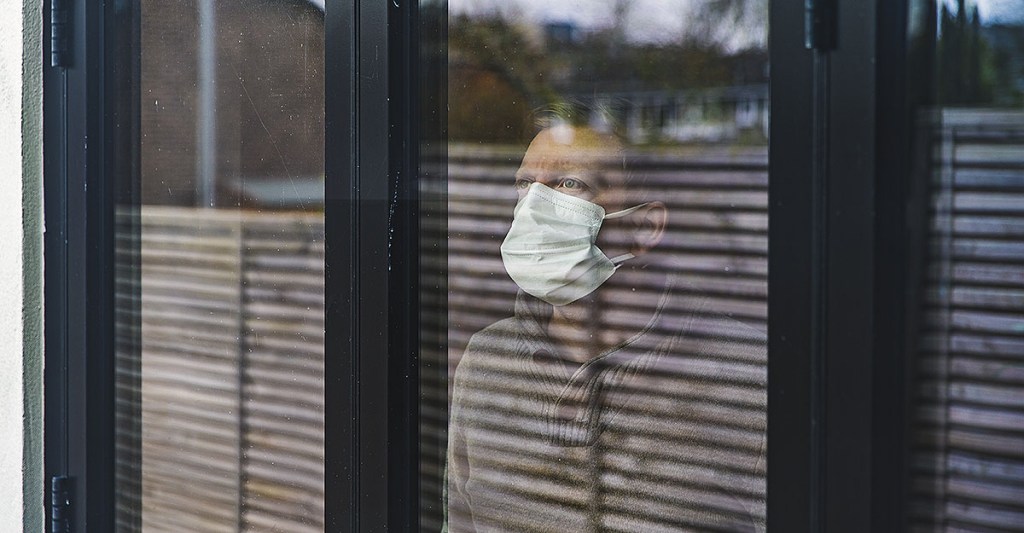
So, I’m writing today to say that not everyone is rejoicing that life will soon ease back to pre-2020 times. The past year has brought heartbreak and turmoil upon hundreds of thousands of Americans and many of them look at an uncertain and bleak future. The glaring tragedy, of course, is the empty seat at the dinner table – 2.6 million empty seats around the world. Losing a loved one can make daily life an incredible burden, but to lose someone in the lonely, helpless way that Covid kills can make re-entering society difficult. For others, the issues of science, community, and personal liberty that so deeply divided our country over the last year will leave scars, visible and concealed. Some people have been ostracized by friends or even family for the choices they have made during this time. Others, including children, have faced trying and even harmful upheavals in the very architecture of their lives. As the pandemic and its restrictions recede, these fault lines and wounds will be revealed, leading to consequences that, for a time, may have been avoidable. No one will emerge from the year of SARS-CoV-2 unscathed, but some of us have wounds still open enough that emerging into the world again will hurt, at least at first.
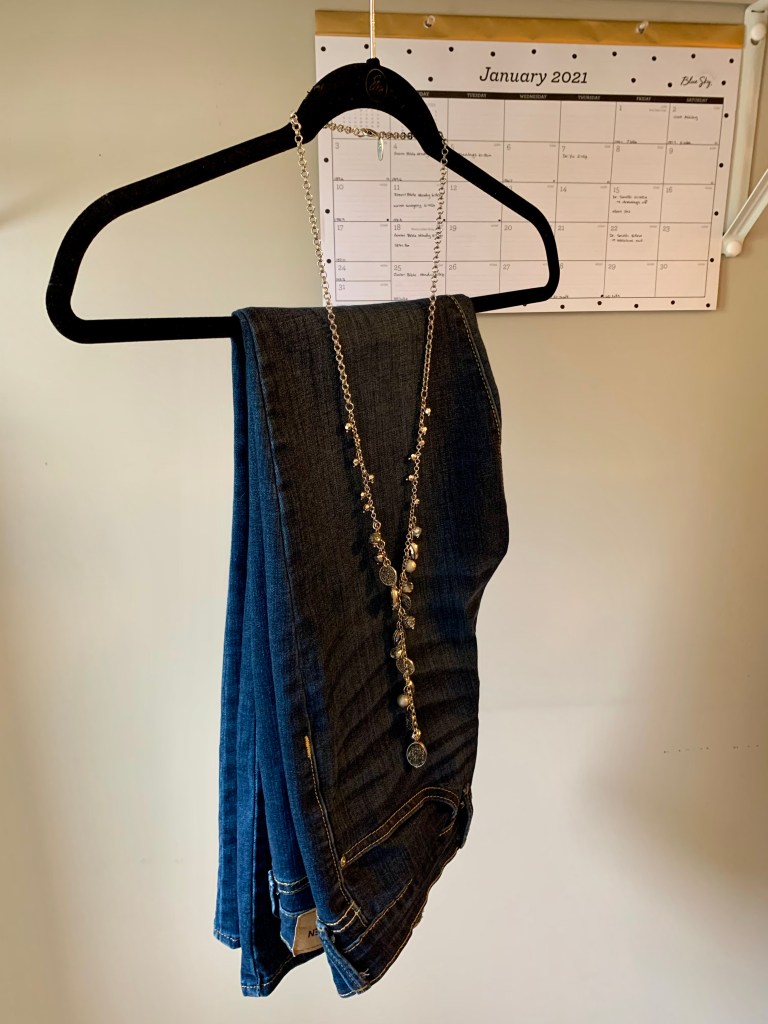
I am happy and grateful that my pandemic burden has been so light compared to others’. I still feel a vague anxiety whenever I think about the things that will soon begin to change in my life and in the world. Shame or no, I am comfortable at home, and I don’t just mean in terms of my choice in pants. I know that seeing people with whom I’ve had serious disagreements will be challenging. I know that having people less than six feet away from me will feel oppressive and weird. Far more importantly, though, I know that I look forward to my future life and that getting there means (at some point and NOT YET) putting on a pair of jeans, walking out my door, and taking off my mask. Celebrate, because 2020 didn’t beat us and 2021 doesn’t stand a chance.
 Before the Fire